
Novogene Korea
  • Novogene Korea
  • Genomics
    • Human Whole Genome Sequencing
    • Plant & Animal Whole Genome Sequencing
    • Microbial Whole Genome Sequencing
    • Whole Exome Sequencing
    • Plant & Animal De novo Sequencing
    • Microbial De novo Sequencing
    • Amplicon Sequencing
    • Shotgun Metagenomics Sequencing
    Transcriptomics
    • mRNA Sequencing
    • Total RNA Sequencing
    • Full-Length Transcriptome Sequencing
    • Whole Transcriptome Sequencing
    • Small RNA Sequencing
    • Circular RNA Sequencing
    • Metatranscriptome Sequencing
    • Prokaryotic RNA Sequencing
    Single Cell & Spatial Omics
    • Single Cell Gene Expression
    • Single Cell Immune Profiling Sequencing
    • Single Cell Long Read Transcriptome
    • Visium HD Spatial Gene Expression
    • Stereo-Seq Spatial Gene Expression
    • Xenium In Situ Spatial Transcriptome
    Epigenomics
    • Whole Genome Bisulfite Sequencing (WGBS)
    • Directed DNA Methylation Sequencing (DM-Seq) NEW
    • Reduced Representation Bisulfite Sequencing (RRBS)
    • Chromatin Immunoprecipitation Sequencing (ChIP-seq)
    • RNA Immunoprecipitation Sequencing (RIP-seq)
    • Assay for Transposase-Accessible Chromatin with Sequencing (ATAC-seq)

    Premade Library

    • Sequencing Only (Illumina 플랫폼)
    • Sequencing Only (PacBio 플랫폼)
    Proteomics & Metabolomics
    • Olink Proteomics
    • Quantitative Proteomics (MS)
    • Untargeted Metabolomics (MS)
  • 프로모션프로모션
    • 플랫폼
    • 자동화 운송 플랫폼 (Falcon)
    • BI 분석툴 (NovoMagic)
    • Customer Service System (CSS)
    • 브로셔
    • 케이스 스터디
    • 웨비나
    • 블로그
    • 샘플준비 가이드라인
    • 커뮤니티
    • 암 연구
    • 면역 종양학
    • 농업
    • 환경
    • 식품
    • 인간 마이크로바이옴
    • 동물 & 식물 마이크로바이옴
    • 신약개발
    • 희귀 질환 연구
    • 회사소개
    • 글로벌 입지
    • 뉴스룸
    • 채용 정보
  • 문의하기문의하기
  1. Home
  2. Resources
  3. Blog
  4. Recent advances in understanding the rapeseed genome provide important insights into rapeseed breeding

Recent advances in understanding the rapeseed genome provide important insights into rapeseed breeding

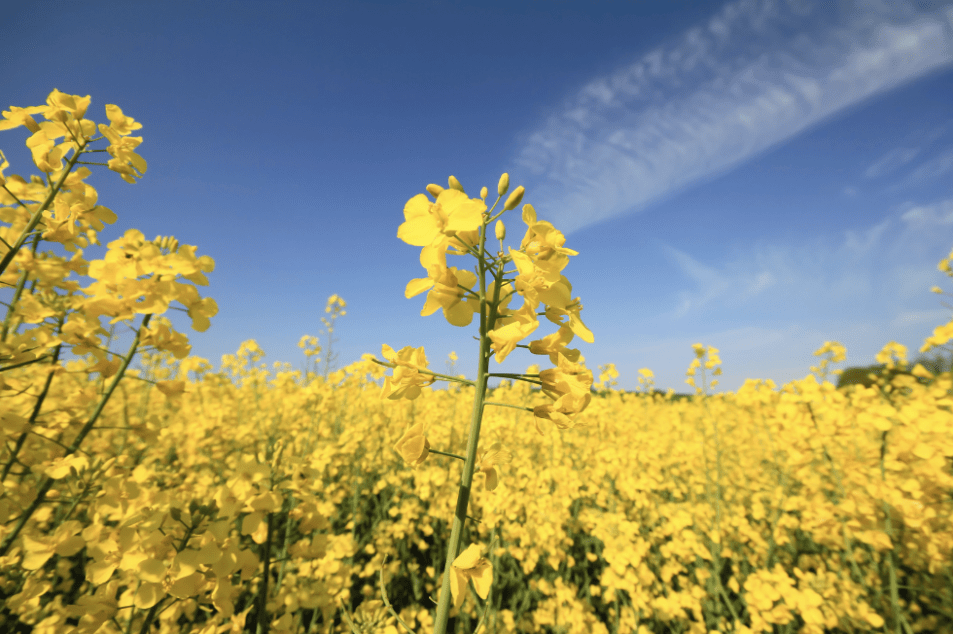
Rapeseed (Brassica napus L.), also known as rape, or oilseed rape, is a yellow flowering member of the mustard or cabbage family (Brassicaceae) cultivated around the world for its oil-rich seed. Rapeseed was the third-leading source of vegetable oil in the world after soybean and palm oil, and it is the world’s second-leading source of protein meal after soybean. Rapeseed oil can be processed to produce salad oil, shortening, and margarine. In addition to food, rape can also be used as a raw material in several industries and is used to produce soap, paper, and organic fertilizer.
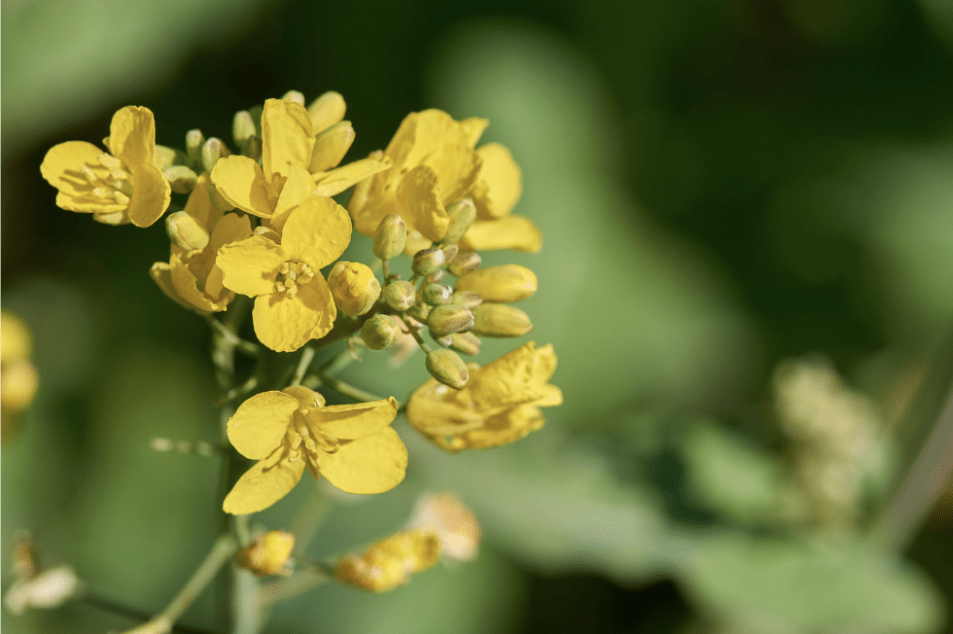
As one of the world’s major producers, China has a thousand-long history of rapeseed cultivation and accounts for more than 50% of the domestic vegetable oil produced every year. As a result, scientists in China have continued to explore ways to increase the yield and quality of the crop produced. This has resulted in the emergence of molecular breeding, shifting from more traditional breeding techniques that rely on experience to focusing on targeted and efficient breeding. This has increased breeding efficiency, improving both the quality and yield of the crop. A recent study by a team from the Chinese Academy of Agricultural Sciences aimed to understand how molecular breeding improved crop production. To do this, they carried out a comprehensive analysis of the genome of 418 diverse rapeseed accessions, which included 410 accessions from a core collection as well as vegetable-use accessions and a synthetic rapeseed specimen1. The researchers used the information gleaned from the whole-genome resequencing of these accessions to carry out genome variations, genome-wide selections, and genome-wide association studies. They aimed to identify which genes were responsible for 56 agronomic traits that were modified during the rapeseed improvement process., including those associated with morphological characteristics, stress and disease resistance, growth period, yield components, and seed quality.
First, the research team collected young leaves from each rapeseed accession and genomic DNA was extracted. Following this, sequencing was carried out by Novogene using the Illumina HiSeq 4000 platform, generating 150bp paired-end reads. In addition, 135 of the 418 rapeseed accessions were selected for resequencing with high coverage on the Illumina HiSeq X Ten platform. Sequencing yielded 5.6 Tb of data in total. The data was cleaned before the paired-end reads were mapped to a reference genome using BWA software. After alignment, the researchers performed SNP and InDel calling using GATK, and only the high-quality SNPs were retained for subsequent analysis.

The research team carried out a variety of subsequent analyses to identify which possible genes and associated loci are responsible for specific agronomic traits. This included population genetic and LD analysis, introgression analysis, identification of selective sweep signals, GWAS, phylogenetic analysis, Hi-C experiments, expression analysis, gene cloning, and plant transformation. From this, 7,531,945 SNPs and 469,176 InDels were identified. Phylogenetic relationships were established using the SNPs, which showed that the vegetable-use rapeseeds had differentiated from the oil-use accessions. Further, the researchers used this information to classify the 410 oil-use rapeseed accessions into four subclades. The classifications of these accessions did not completely respond to the ecotypes of the accessions that had been observed, demonstrating the occurrence of widespread gene introgressive hybridization between the three ecotypes. This work also identified more than 600 associated loci-related causative candidate genes for the 56 traits they wished to examine. This study provides an important contribution to the research on rapeseed, providing a valuable genomic resource for future breeding programs.

Rapeseed and other crop plants provide important value to human life as a food resource, as well as being of economic value, providing valuable income to people around the world. Studies such as this one demonstrate the value of sequencing as a technique to understand the genetic basis of agronomic traits and provide information that can help us to improve future crop breeding programs. This is of particular importance as we need to feed q rapidly growing population while navigating the problems associated with global climate change, which include significant crop losses due to severe heat and drought2.

References

  1. Hu, J., Chen, B., Zhao, J., Zhang, F., Xie, T., Xu, K., … & Wu, X. (2022). Genomic selection and genetic architecture of agronomic traits during modern rapeseed breeding. Nature Genetics, 1-11.
  2. Voss-Fels, K. P., Stahl, A., & Hickey, L. T. (2019). Q&A: Modern crop breeding for future food security. BMC biology, 17(1), 1-7.

서비스서비스 menu

고객지원고객지원 menu

기업정보기업정보 menu

서비스
WGSDe novo SeqAmplicon SeqShotgun MetagenomeDM-SeqmRNA-SeqSingle Cell Gene ExpressionVisium HDXenium In SituOlinkUntargeted Metabolomics
고객지원
노보매직CSSFalcon 플랫폼
기업정보
회사소개글로벌 입지플랫폼뉴스룸채용 정보문의하기
LinkedInLinkedIn hoverYouTubeYouTube hoverXX hoverMetaMeta hoverInstagramInstagram hover
Copyright © 2026 Novogene Co., Ltd. All Rights Reserved. 노보진의 한국 내 모든 서비스는 연구 목적 (Research Use Only, RUO) 으로만 제공됩니다. 사업자등록번호: 494-86-03792 | 판매자번호: 노보진코리아유한회사 | 대표자명: 리휘시앙 | 사업자주소: 서울시 강서구 마곡동 779-1번지 뉴브클라우드힐스 BT-230, 231호, 07790 | 전화번호: 02-2038-8036
Novogene Korea
  • Novogene Korea
  • Genomics
    • Human Whole Genome Sequencing
    • Plant & Animal Whole Genome Sequencing
    • Microbial Whole Genome Sequencing
    • Whole Exome Sequencing
    • Plant & Animal De novo Sequencing
    • Microbial De novo Sequencing
    • Amplicon Sequencing
    • Shotgun Metagenomics Sequencing
    Transcriptomics
    • mRNA Sequencing
    • Total RNA Sequencing
    • Full-Length Transcriptome Sequencing
    • Whole Transcriptome Sequencing
    • Small RNA Sequencing
    • Circular RNA Sequencing
    • Metatranscriptome Sequencing
    • Prokaryotic RNA Sequencing
    Single Cell & Spatial Omics
    • Single Cell Gene Expression
    • Single Cell Immune Profiling Sequencing
    • Single Cell Long Read Transcriptome
    • Visium HD Spatial Gene Expression
    • Stereo-Seq Spatial Gene Expression
    • Xenium In Situ Spatial Transcriptome
    Epigenomics
    • Whole Genome Bisulfite Sequencing (WGBS)
    • Directed DNA Methylation Sequencing (DM-Seq) NEW
    • Reduced Representation Bisulfite Sequencing (RRBS)
    • Chromatin Immunoprecipitation Sequencing (ChIP-seq)
    • RNA Immunoprecipitation Sequencing (RIP-seq)
    • Assay for Transposase-Accessible Chromatin with Sequencing (ATAC-seq)

    Premade Library

    • Sequencing Only (Illumina 플랫폼)
    • Sequencing Only (PacBio 플랫폼)
    Proteomics & Metabolomics
    • Olink Proteomics
    • Quantitative Proteomics (MS)
    • Untargeted Metabolomics (MS)
  • 프로모션프로모션
    • 플랫폼
    • 자동화 운송 플랫폼 (Falcon)
    • BI 분석툴 (NovoMagic)
    • Customer Service System (CSS)
    • 브로셔
    • 케이스 스터디
    • 웨비나
    • 블로그
    • 샘플준비 가이드라인
    • 커뮤니티
    • 암 연구
    • 면역 종양학
    • 농업
    • 환경
    • 식품
    • 인간 마이크로바이옴
    • 동물 & 식물 마이크로바이옴
    • 신약개발
    • 희귀 질환 연구
    • 회사소개
    • 글로벌 입지
    • 뉴스룸
    • 채용 정보
  • 문의하기문의하기
  1. Home
  2. Resources
  3. Blog
  4. Recent advances in understanding the rapeseed genome provide important insights into rapeseed breeding

Recent advances in understanding the rapeseed genome provide important insights into rapeseed breeding

Rapeseed (Brassica napus L.), also known as rape, or oilseed rape, is a yellow flowering member of the mustard or cabbage family (Brassicaceae) cultivated around the world for its oil-rich seed. Rapeseed was the third-leading source of vegetable oil in the world after soybean and palm oil, and it is the world’s second-leading source of protein meal after soybean. Rapeseed oil can be processed to produce salad oil, shortening, and margarine. In addition to food, rape can also be used as a raw material in several industries and is used to produce soap, paper, and organic fertilizer.

As one of the world’s major producers, China has a thousand-long history of rapeseed cultivation and accounts for more than 50% of the domestic vegetable oil produced every year. As a result, scientists in China have continued to explore ways to increase the yield and quality of the crop produced. This has resulted in the emergence of molecular breeding, shifting from more traditional breeding techniques that rely on experience to focusing on targeted and efficient breeding. This has increased breeding efficiency, improving both the quality and yield of the crop. A recent study by a team from the Chinese Academy of Agricultural Sciences aimed to understand how molecular breeding improved crop production. To do this, they carried out a comprehensive analysis of the genome of 418 diverse rapeseed accessions, which included 410 accessions from a core collection as well as vegetable-use accessions and a synthetic rapeseed specimen1. The researchers used the information gleaned from the whole-genome resequencing of these accessions to carry out genome variations, genome-wide selections, and genome-wide association studies. They aimed to identify which genes were responsible for 56 agronomic traits that were modified during the rapeseed improvement process., including those associated with morphological characteristics, stress and disease resistance, growth period, yield components, and seed quality.

First, the research team collected young leaves from each rapeseed accession and genomic DNA was extracted. Following this, sequencing was carried out by Novogene using the Illumina HiSeq 4000 platform, generating 150bp paired-end reads. In addition, 135 of the 418 rapeseed accessions were selected for resequencing with high coverage on the Illumina HiSeq X Ten platform. Sequencing yielded 5.6 Tb of data in total. The data was cleaned before the paired-end reads were mapped to a reference genome using BWA software. After alignment, the researchers performed SNP and InDel calling using GATK, and only the high-quality SNPs were retained for subsequent analysis.

The research team carried out a variety of subsequent analyses to identify which possible genes and associated loci are responsible for specific agronomic traits. This included population genetic and LD analysis, introgression analysis, identification of selective sweep signals, GWAS, phylogenetic analysis, Hi-C experiments, expression analysis, gene cloning, and plant transformation. From this, 7,531,945 SNPs and 469,176 InDels were identified. Phylogenetic relationships were established using the SNPs, which showed that the vegetable-use rapeseeds had differentiated from the oil-use accessions. Further, the researchers used this information to classify the 410 oil-use rapeseed accessions into four subclades. The classifications of these accessions did not completely respond to the ecotypes of the accessions that had been observed, demonstrating the occurrence of widespread gene introgressive hybridization between the three ecotypes. This work also identified more than 600 associated loci-related causative candidate genes for the 56 traits they wished to examine. This study provides an important contribution to the research on rapeseed, providing a valuable genomic resource for future breeding programs.

Rapeseed and other crop plants provide important value to human life as a food resource, as well as being of economic value, providing valuable income to people around the world. Studies such as this one demonstrate the value of sequencing as a technique to understand the genetic basis of agronomic traits and provide information that can help us to improve future crop breeding programs. This is of particular importance as we need to feed q rapidly growing population while navigating the problems associated with global climate change, which include significant crop losses due to severe heat and drought2.

References

  1. Hu, J., Chen, B., Zhao, J., Zhang, F., Xie, T., Xu, K., … & Wu, X. (2022). Genomic selection and genetic architecture of agronomic traits during modern rapeseed breeding. Nature Genetics, 1-11.
  2. Voss-Fels, K. P., Stahl, A., & Hickey, L. T. (2019). Q&A: Modern crop breeding for future food security. BMC biology, 17(1), 1-7.

서비스서비스 menu

고객지원고객지원 menu

기업정보기업정보 menu

서비스
WGSDe novo SeqAmplicon SeqShotgun MetagenomeDM-SeqmRNA-SeqSingle Cell Gene ExpressionVisium HDXenium In SituOlinkUntargeted Metabolomics
고객지원
노보매직CSSFalcon 플랫폼
기업정보
회사소개글로벌 입지플랫폼뉴스룸채용 정보문의하기
LinkedInLinkedIn hoverYouTubeYouTube hoverXX hoverMetaMeta hoverInstagramInstagram hover
Copyright © 2026 Novogene Co., Ltd. All Rights Reserved. 노보진의 한국 내 모든 서비스는 연구 목적 (Research Use Only, RUO) 으로만 제공됩니다. 사업자등록번호: 494-86-03792 | 판매자번호: 노보진코리아유한회사 | 대표자명: 리휘시앙 | 사업자주소: 서울시 강서구 마곡동 779-1번지 뉴브클라우드힐스 BT-230, 231호, 07790 | 전화번호: 02-2038-8036
Privacy PolicyCookie Policy