
Novogene Korea
  • Novogene Korea
  • Genomics
    • Human Whole Genome Sequencing
    • Plant & Animal Whole Genome Sequencing
    • Microbial Whole Genome Sequencing
    • Whole Exome Sequencing
    • Plant & Animal De novo Sequencing
    • Microbial De novo Sequencing
    • Amplicon Sequencing
    • Shotgun Metagenomics Sequencing
    Transcriptomics
    • mRNA Sequencing
    • Total RNA Sequencing
    • Full-Length Transcriptome Sequencing
    • Whole Transcriptome Sequencing
    • Small RNA Sequencing
    • Circular RNA Sequencing
    • Metatranscriptome Sequencing
    • Prokaryotic RNA Sequencing
    Single Cell & Spatial Omics
    • Single Cell Gene Expression
    • Single Cell Immune Profiling Sequencing
    • Single Cell Long Read Transcriptome
    • Visium HD Spatial Gene Expression
    • Stereo-Seq Spatial Gene Expression
    • Xenium In Situ Spatial Transcriptome
    Epigenomics
    • Whole Genome Bisulfite Sequencing (WGBS)
    • Directed DNA Methylation Sequencing (DM-Seq) NEW
    • Reduced Representation Bisulfite Sequencing (RRBS)
    • Chromatin Immunoprecipitation Sequencing (ChIP-seq)
    • RNA Immunoprecipitation Sequencing (RIP-seq)
    • Assay for Transposase-Accessible Chromatin with Sequencing (ATAC-seq)

    Premade Library

    • Sequencing Only (Illumina 플랫폼)
    • Sequencing Only (PacBio 플랫폼)
    Proteomics & Metabolomics
    • Olink Proteomics
    • Quantitative Proteomics (MS)
    • Untargeted Metabolomics (MS)
  • 프로모션프로모션
    • 플랫폼
    • 자동화 운송 플랫폼 (Falcon)
    • BI 분석툴 (NovoMagic)
    • Customer Service System (CSS)
    • 브로셔
    • 케이스 스터디
    • 웨비나
    • 블로그
    • 샘플준비 가이드라인
    • 커뮤니티
    • 암 연구
    • 면역 종양학
    • 농업
    • 환경
    • 식품
    • 인간 마이크로바이옴
    • 동물 & 식물 마이크로바이옴
    • 신약개발
    • 희귀 질환 연구
    • 회사소개
    • 글로벌 입지
    • 뉴스룸
    • 채용 정보
  • 문의하기문의하기
  1. Home
  2. Resources
  3. Blog
  4. Nature Index: Novogene is teaming up with laboratories worldwide for life sciences and human health research

Nature Index: Novogene is teaming up with laboratories worldwide for life sciences and human health research

Novogene has been at the forefront of using cutting-edge molecular biology technology and high-performance computing in the domains of life science research and health care since its start. The nature Index Special Report of “Top 5 countries”, published on 10th March, presented Novogene’s advancing genomics and bioinformatics, and demonstrated its world-leading research service quality and achievements through multi-omics analysis in agricultural breeding and cancer treatment.
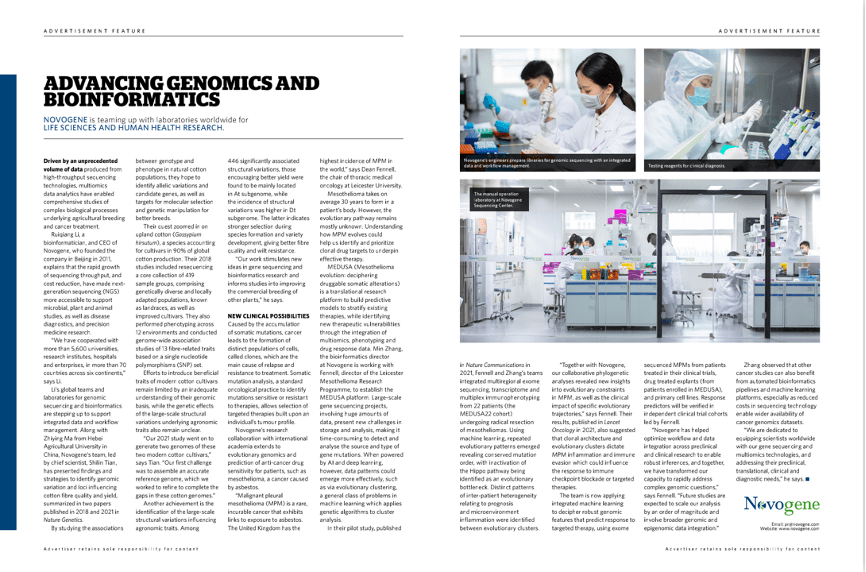
Nature Index special report“Top 5 Countries”- ADVANCING GENOMICS AND BIOINFORMATICS.


Novogene consistently focuses on research and development in the life sciences area globally. Dr. Ruiqiang Li, a bioinformatician and CEO of Novogene, who founded the company in Beijing in 2011, said in the interview: “The rapid growth of sequencing throughput, and cost reduction, have made next-generation sequencing (NGS) more accessible to support microbial, plant and animal studies, as well as disease diagnostics, and precision medicine research. We have cooperated with more than 5,600 universities, research institutes, hospitals, and enterprises, in more than 70 countries across six continents.”

Novogene‘s global team and laboratories integrated the full chain capability of genomic sequencing and bioinformatic analysis and extensively participated in and supported scientific research projects around the world.

The manual operation laboratory at Novogene Sequencing Center.


The article by Nature focuses on two typical cooperative projects in agricultural breeding and cancer treatment based on multi-omics analysis strategies. It shows in detail how Novogene, a trusted service provider of genetic solutions, can assist every research project with the world-leading scientists (quote).

Along with Zhiying Ma (Chief Expert of Cotton Breeding, IEAS Academician) from Hebei Agricultural University in China, Novogene’s team, led by the Chief Scientist, Shilin Tian, has presented findings and strategies to identify genomic variation and loci influencing cotton fibre quality and yield, summarized in two papers published in 2018 and 2021 in Nature Genetics.

By studying the associations between genotype and phenotype in natural cotton populations, they hope to identify allelic variations and candidate genes, as well as targets for molecular selection and genetic manipulation for better breeds. Their quest zoomed in on upland cotton (Gossypium hirsutum), a species accounting for cultivars in 90% of global cotton production. Their 2018 studies included resequencing a core collection of 419 sample groups, comprising genetically diverse and locally adapted populations, known as landraces, as well as improved cultivars. They also performed phenotyping across 12 environments and conducted genome-wide association studies of 13 fibre-related traits based on a single nucleotide polymorphisms (SNP) set.
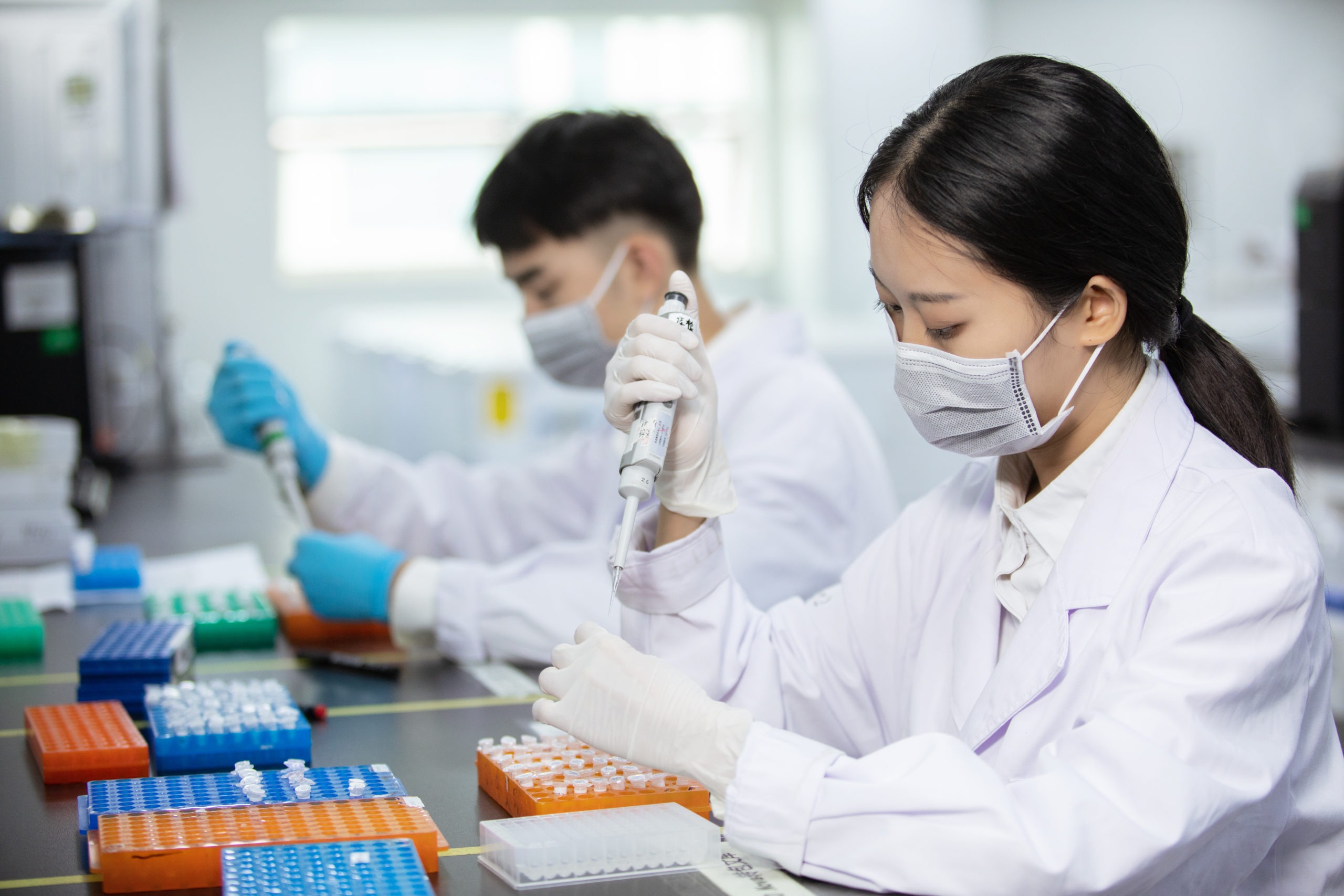
Novogene’s engineers prepare libraries for genomic sequencing with an integrated data and workflow management.


Efforts to introduce beneficial traits of modern cotton cultivars remain limited by an inadequate understanding of their genomic basis, while the genetic effects of the large-scale structural variations underlying agronomic traits also remain unclear.

“Our 2021 study went on to generate two genomes of these two modern cotton cultivars,” says Tian. “Our first challenge was to assemble an accurate reference genome, which we worked to refine to complete the gaps in these cotton genomes.”

Another achievement is the identification of the large-scale structural variations influencing agronomic traits. Among 446 significantly associated structural variations, those encouraging better yield were found to be mainly located in At subgenome, while the incidence of structural variations was higher in Dt subgenome. The latter indicates more robust selection during species formation and variety development, giving better fibre quality and wilt resistance.

“Our work stimulates new ideas in gene sequencing and bioinformatics research and informs studies into improving the commercial breeding of other plants,” he says.

Another interview indicated sequencing technology provides more possibilities for clinical research and applications. (quote)

Caused by the accumulation of somatic mutations, cancer leads to the formation of distinct populations of cells, called clones, which are the main cause of relapse and resistance to treatment. Somatic mutation analysis, a standard oncological practice to identify mutations sensitive or resistant to therapies, allows the selection of targeted therapies built upon an individual’s tumor profile.

Novogene’s research collaboration with international academia extends to evolutionary genomics and the prediction of anti-cancer drug sensitivity for patients, such as mesothelioma and cancer caused by asbestos.

“Malignant pleural mesothelioma (MPM) is a rare, incurable cancer that exhibits links to exposure to asbestos. The United Kingdom has the highest incidence of MPM globally,” says Dean Fennell, the chair of thoracic medical oncology at Leicester University.

Mesothelioma takes, on average 30 years to form in a patient’s body. However, the evolutionary pathway remains primarily unknown. Understanding how MPM evolves could help us identify and prioritize clonal drug targets to underpin effective therapy.

MEDUSA (Mesothelioma evolution: deciphering druggable somatic alterations) is a translational research platform to build predictive models to stratify existing therapies while identifying new therapeutic vulnerabilities through the integration of multi-omics, phenotyping, and drug response data. Min Zhang, the bioinformatics director at Novogene, is working with Fennell, director of the Leicester Mesothelioma Research Programme, to establish the MEDUSA platform. Large-scale gene sequencing projects involving vast amounts of data present new challenges in storage and analysis, making it time-consuming to detect and analyse the source and type of gene mutations. However, when powered by AI and deep learning, data patterns could emerge more effectively, such as via evolutionary clustering, a general class of machine learning problems that apply genetic algorithms to cluster analysis.

Zhang’s teams integrated multiregional exome sequencing, transcriptome, and multiplex immunophenotyping from 22 patients (the MEDUSA22 cohort) undergoing radical resection of mesotheliomas. Using machine learning, repeated evolutionary patterns emerged, revealing conserved mutation order, with inactivation of the Hippo pathway being identified as an evolutionary bottleneck. Distinct patterns of inter-patient heterogeneity relating to prognosis and microenvironment inflammation were identified between evolutionary clusters.
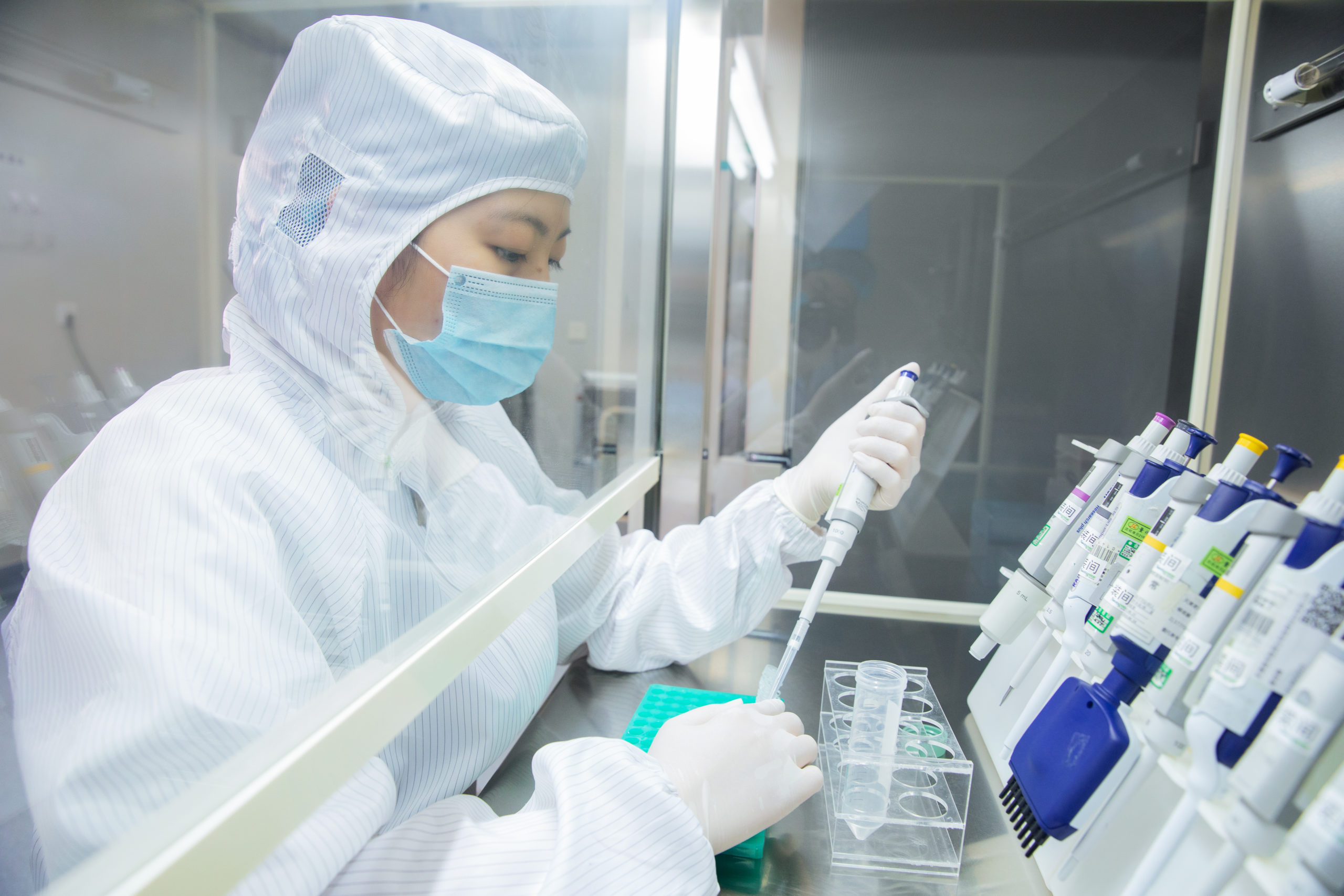
Testing reagents for clinical diagnosis.


“Together with Novogene, our collaborative phylogenetic analyses revealed new insights into evolutionary constraints in MPM and the clinical impact of specific evolutionary trajectories,” says Fennell. Their results, published in Lancet Oncology in 2021, also suggested that clonal architecture and evolutionary clusters dictate MPM inflammation and immune evasion, which could influence the response to immune checkpoint blockade or targeted therapies.

The team is now applying integrated machine learning to decipher robust genomic features that predict response to targeted therapy, using exome sequenced MPMs from patients treated in their clinical trials, drug-treated explants (from patients enrolled in MEDUSA), and primary cell lines. Response predictors will be verified in independent clinical trial cohorts led by Fennell.

“Novogene has helped optimize workflow and data integration across preclinical and clinical research to enable robust inferences. Together, we have transformed our capacity to address complex genomic questions rapidly,” says Fennell. “Future studies are expected to scale our analysis by order of magnitude and involve broader genomic and epigenomic data integration.”

Zhang observed that along with the reduction of sequencing cost, large-scale cohort research projects of genome sequencing are proliferating globally, which brings a big challenge of big data storage and computation for bioinformatics analysis. Although many excellent analysis software have been developed that can efficiently analyze the data of the whole genome at present, there is no best solution that can detect all mutations of the genome. And report interpretation of clinical genetic testing still faces many challenges.

“We are dedicated to equipping scientists worldwide with our gene sequencing and multi-omics technologies and addressing their preclinical, translational, clinical and diagnostic needs,” he says.

For more information on this article and Nature Index Special Report of “Top 5 Countries”, please follow the link: https://www.nature.com/articles/d42473-022-00041-0

서비스서비스 menu

고객지원고객지원 menu

기업정보기업정보 menu

서비스
WGSDe novo SeqAmplicon SeqShotgun MetagenomeDM-SeqmRNA-SeqSingle Cell Gene ExpressionVisium HDXenium In SituOlinkUntargeted Metabolomics
고객지원
노보매직CSSFalcon 플랫폼
기업정보
회사소개글로벌 입지플랫폼뉴스룸채용 정보문의하기
LinkedInLinkedIn hoverYouTubeYouTube hoverXX hoverMetaMeta hoverInstagramInstagram hover
Copyright © 2026 Novogene Co., Ltd. All Rights Reserved. 노보진의 한국 내 모든 서비스는 연구 목적 (Research Use Only, RUO) 으로만 제공됩니다. 사업자등록번호: 494-86-03792 | 판매자번호: 노보진코리아유한회사 | 대표자명: 리휘시앙 | 사업자주소: 서울시 강서구 마곡동 779-1번지 뉴브클라우드힐스 BT-230, 231호, 07790 | 전화번호: 02-2038-8036
Novogene Korea
  • Novogene Korea
  • Genomics
    • Human Whole Genome Sequencing
    • Plant & Animal Whole Genome Sequencing
    • Microbial Whole Genome Sequencing
    • Whole Exome Sequencing
    • Plant & Animal De novo Sequencing
    • Microbial De novo Sequencing
    • Amplicon Sequencing
    • Shotgun Metagenomics Sequencing
    Transcriptomics
    • mRNA Sequencing
    • Total RNA Sequencing
    • Full-Length Transcriptome Sequencing
    • Whole Transcriptome Sequencing
    • Small RNA Sequencing
    • Circular RNA Sequencing
    • Metatranscriptome Sequencing
    • Prokaryotic RNA Sequencing
    Single Cell & Spatial Omics
    • Single Cell Gene Expression
    • Single Cell Immune Profiling Sequencing
    • Single Cell Long Read Transcriptome
    • Visium HD Spatial Gene Expression
    • Stereo-Seq Spatial Gene Expression
    • Xenium In Situ Spatial Transcriptome
    Epigenomics
    • Whole Genome Bisulfite Sequencing (WGBS)
    • Directed DNA Methylation Sequencing (DM-Seq) NEW
    • Reduced Representation Bisulfite Sequencing (RRBS)
    • Chromatin Immunoprecipitation Sequencing (ChIP-seq)
    • RNA Immunoprecipitation Sequencing (RIP-seq)
    • Assay for Transposase-Accessible Chromatin with Sequencing (ATAC-seq)

    Premade Library

    • Sequencing Only (Illumina 플랫폼)
    • Sequencing Only (PacBio 플랫폼)
    Proteomics & Metabolomics
    • Olink Proteomics
    • Quantitative Proteomics (MS)
    • Untargeted Metabolomics (MS)
  • 프로모션프로모션
    • 플랫폼
    • 자동화 운송 플랫폼 (Falcon)
    • BI 분석툴 (NovoMagic)
    • Customer Service System (CSS)
    • 브로셔
    • 케이스 스터디
    • 웨비나
    • 블로그
    • 샘플준비 가이드라인
    • 커뮤니티
    • 암 연구
    • 면역 종양학
    • 농업
    • 환경
    • 식품
    • 인간 마이크로바이옴
    • 동물 & 식물 마이크로바이옴
    • 신약개발
    • 희귀 질환 연구
    • 회사소개
    • 글로벌 입지
    • 뉴스룸
    • 채용 정보
  • 문의하기문의하기
  1. Home
  2. Resources
  3. Blog
  4. Nature Index: Novogene is teaming up with laboratories worldwide for life sciences and human health research

Nature Index: Novogene is teaming up with laboratories worldwide for life sciences and human health research

Novogene has been at the forefront of using cutting-edge molecular biology technology and high-performance computing in the domains of life science research and health care since its start. The nature Index Special Report of “Top 5 countries”, published on 10th March, presented Novogene’s advancing genomics and bioinformatics, and demonstrated its world-leading research service quality and achievements through multi-omics analysis in agricultural breeding and cancer treatment.

Nature Index special report“Top 5 Countries”- ADVANCING GENOMICS AND BIOINFORMATICS.


Novogene consistently focuses on research and development in the life sciences area globally. Dr. Ruiqiang Li, a bioinformatician and CEO of Novogene, who founded the company in Beijing in 2011, said in the interview: “The rapid growth of sequencing throughput, and cost reduction, have made next-generation sequencing (NGS) more accessible to support microbial, plant and animal studies, as well as disease diagnostics, and precision medicine research. We have cooperated with more than 5,600 universities, research institutes, hospitals, and enterprises, in more than 70 countries across six continents.”

Novogene‘s global team and laboratories integrated the full chain capability of genomic sequencing and bioinformatic analysis and extensively participated in and supported scientific research projects around the world.

The manual operation laboratory at Novogene Sequencing Center.


The article by Nature focuses on two typical cooperative projects in agricultural breeding and cancer treatment based on multi-omics analysis strategies. It shows in detail how Novogene, a trusted service provider of genetic solutions, can assist every research project with the world-leading scientists (quote).

Along with Zhiying Ma (Chief Expert of Cotton Breeding, IEAS Academician) from Hebei Agricultural University in China, Novogene’s team, led by the Chief Scientist, Shilin Tian, has presented findings and strategies to identify genomic variation and loci influencing cotton fibre quality and yield, summarized in two papers published in 2018 and 2021 in Nature Genetics.

By studying the associations between genotype and phenotype in natural cotton populations, they hope to identify allelic variations and candidate genes, as well as targets for molecular selection and genetic manipulation for better breeds. Their quest zoomed in on upland cotton (Gossypium hirsutum), a species accounting for cultivars in 90% of global cotton production. Their 2018 studies included resequencing a core collection of 419 sample groups, comprising genetically diverse and locally adapted populations, known as landraces, as well as improved cultivars. They also performed phenotyping across 12 environments and conducted genome-wide association studies of 13 fibre-related traits based on a single nucleotide polymorphisms (SNP) set.

Novogene’s engineers prepare libraries for genomic sequencing with an integrated data and workflow management.


Efforts to introduce beneficial traits of modern cotton cultivars remain limited by an inadequate understanding of their genomic basis, while the genetic effects of the large-scale structural variations underlying agronomic traits also remain unclear.

“Our 2021 study went on to generate two genomes of these two modern cotton cultivars,” says Tian. “Our first challenge was to assemble an accurate reference genome, which we worked to refine to complete the gaps in these cotton genomes.”

Another achievement is the identification of the large-scale structural variations influencing agronomic traits. Among 446 significantly associated structural variations, those encouraging better yield were found to be mainly located in At subgenome, while the incidence of structural variations was higher in Dt subgenome. The latter indicates more robust selection during species formation and variety development, giving better fibre quality and wilt resistance.

“Our work stimulates new ideas in gene sequencing and bioinformatics research and informs studies into improving the commercial breeding of other plants,” he says.

Another interview indicated sequencing technology provides more possibilities for clinical research and applications. (quote)

Caused by the accumulation of somatic mutations, cancer leads to the formation of distinct populations of cells, called clones, which are the main cause of relapse and resistance to treatment. Somatic mutation analysis, a standard oncological practice to identify mutations sensitive or resistant to therapies, allows the selection of targeted therapies built upon an individual’s tumor profile.

Novogene’s research collaboration with international academia extends to evolutionary genomics and the prediction of anti-cancer drug sensitivity for patients, such as mesothelioma and cancer caused by asbestos.

“Malignant pleural mesothelioma (MPM) is a rare, incurable cancer that exhibits links to exposure to asbestos. The United Kingdom has the highest incidence of MPM globally,” says Dean Fennell, the chair of thoracic medical oncology at Leicester University.

Mesothelioma takes, on average 30 years to form in a patient’s body. However, the evolutionary pathway remains primarily unknown. Understanding how MPM evolves could help us identify and prioritize clonal drug targets to underpin effective therapy.

MEDUSA (Mesothelioma evolution: deciphering druggable somatic alterations) is a translational research platform to build predictive models to stratify existing therapies while identifying new therapeutic vulnerabilities through the integration of multi-omics, phenotyping, and drug response data. Min Zhang, the bioinformatics director at Novogene, is working with Fennell, director of the Leicester Mesothelioma Research Programme, to establish the MEDUSA platform. Large-scale gene sequencing projects involving vast amounts of data present new challenges in storage and analysis, making it time-consuming to detect and analyse the source and type of gene mutations. However, when powered by AI and deep learning, data patterns could emerge more effectively, such as via evolutionary clustering, a general class of machine learning problems that apply genetic algorithms to cluster analysis.

Zhang’s teams integrated multiregional exome sequencing, transcriptome, and multiplex immunophenotyping from 22 patients (the MEDUSA22 cohort) undergoing radical resection of mesotheliomas. Using machine learning, repeated evolutionary patterns emerged, revealing conserved mutation order, with inactivation of the Hippo pathway being identified as an evolutionary bottleneck. Distinct patterns of inter-patient heterogeneity relating to prognosis and microenvironment inflammation were identified between evolutionary clusters.

Testing reagents for clinical diagnosis.


“Together with Novogene, our collaborative phylogenetic analyses revealed new insights into evolutionary constraints in MPM and the clinical impact of specific evolutionary trajectories,” says Fennell. Their results, published in Lancet Oncology in 2021, also suggested that clonal architecture and evolutionary clusters dictate MPM inflammation and immune evasion, which could influence the response to immune checkpoint blockade or targeted therapies.

The team is now applying integrated machine learning to decipher robust genomic features that predict response to targeted therapy, using exome sequenced MPMs from patients treated in their clinical trials, drug-treated explants (from patients enrolled in MEDUSA), and primary cell lines. Response predictors will be verified in independent clinical trial cohorts led by Fennell.

“Novogene has helped optimize workflow and data integration across preclinical and clinical research to enable robust inferences. Together, we have transformed our capacity to address complex genomic questions rapidly,” says Fennell. “Future studies are expected to scale our analysis by order of magnitude and involve broader genomic and epigenomic data integration.”

Zhang observed that along with the reduction of sequencing cost, large-scale cohort research projects of genome sequencing are proliferating globally, which brings a big challenge of big data storage and computation for bioinformatics analysis. Although many excellent analysis software have been developed that can efficiently analyze the data of the whole genome at present, there is no best solution that can detect all mutations of the genome. And report interpretation of clinical genetic testing still faces many challenges.

“We are dedicated to equipping scientists worldwide with our gene sequencing and multi-omics technologies and addressing their preclinical, translational, clinical and diagnostic needs,” he says.

For more information on this article and Nature Index Special Report of “Top 5 Countries”, please follow the link: https://www.nature.com/articles/d42473-022-00041-0

서비스서비스 menu

고객지원고객지원 menu

기업정보기업정보 menu

서비스
WGSDe novo SeqAmplicon SeqShotgun MetagenomeDM-SeqmRNA-SeqSingle Cell Gene ExpressionVisium HDXenium In SituOlinkUntargeted Metabolomics
고객지원
노보매직CSSFalcon 플랫폼
기업정보
회사소개글로벌 입지플랫폼뉴스룸채용 정보문의하기
LinkedInLinkedIn hoverYouTubeYouTube hoverXX hoverMetaMeta hoverInstagramInstagram hover
Copyright © 2026 Novogene Co., Ltd. All Rights Reserved. 노보진의 한국 내 모든 서비스는 연구 목적 (Research Use Only, RUO) 으로만 제공됩니다. 사업자등록번호: 494-86-03792 | 판매자번호: 노보진코리아유한회사 | 대표자명: 리휘시앙 | 사업자주소: 서울시 강서구 마곡동 779-1번지 뉴브클라우드힐스 BT-230, 231호, 07790 | 전화번호: 02-2038-8036
Privacy PolicyCookie Policy